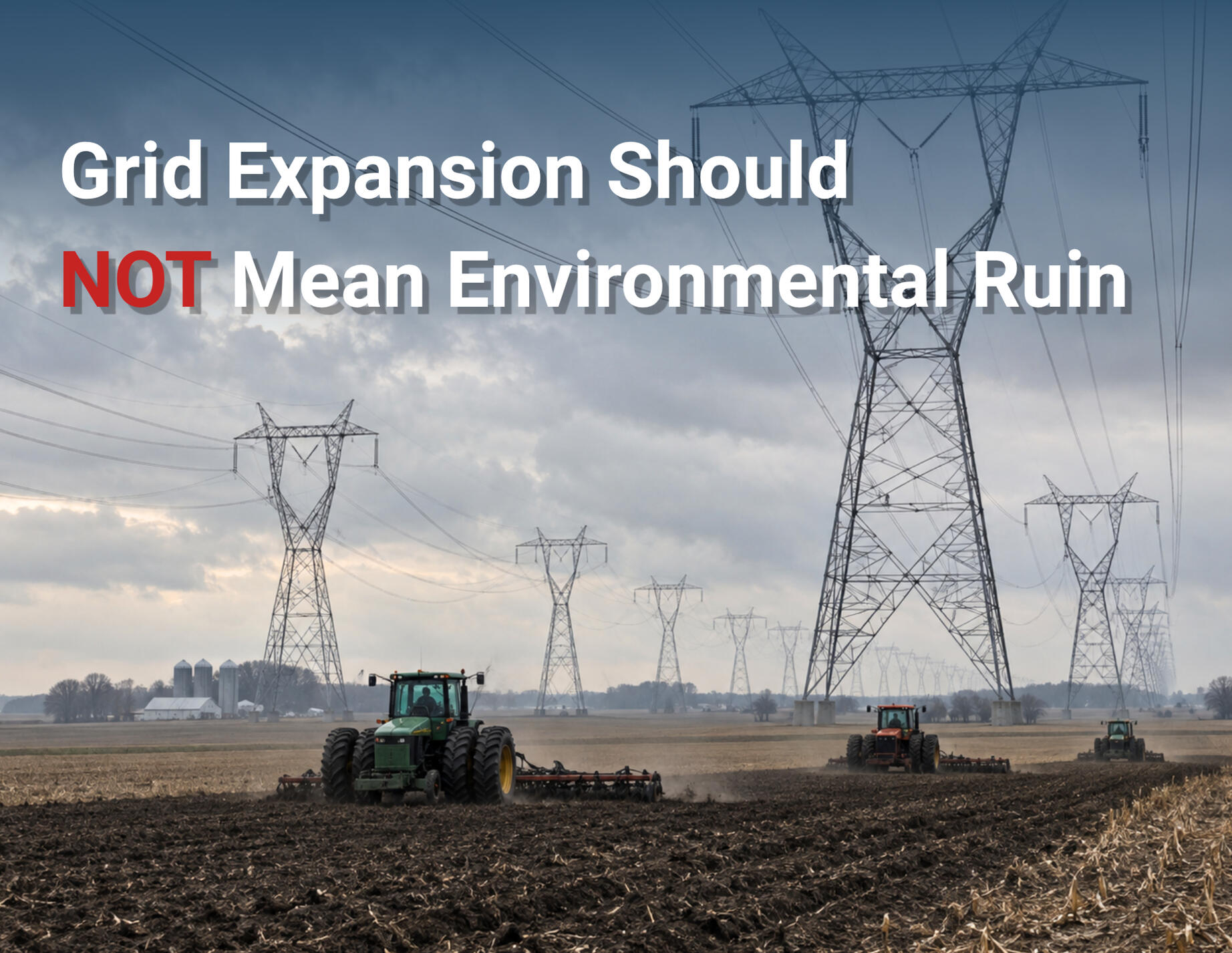
AEP’s SORENSON LINE
Economic Burden & Industrial Blight
The Sorenson Transmission Projects Will Shape Northeast Indiana for Generations
Indiana Michigan Power is proposing major new transmission infrastructure across Indiana, including approximately 50 miles of new 765-kV transmission line between the Greentown Substation in Howard County and the Sorenson Substation in Huntington County, along with approximately 75 miles between the Sorenson Substation and an area near the Indiana-Michigan state line.Overhead powerlines cause excessive maintenance costs, visual blight, and are a critical failure point for grid reliability. These are undue burdens on homeowners and ratepayers. A 765-kV transmission corridor is major infrastructure. Once a route is established, its towers, easements, and transmission lines can remain part of the landscape for decades. To resolve the issue and fortify Indiana’s electrical grid, we recommend that the IURC require all electrical utilities to underground high voltage lines in residential areas by 2030 and initiate aggressive undergrounding programs state-wide to improve the cost, safety, and reliability of distribution and transmission lines.
Threat to Property Values
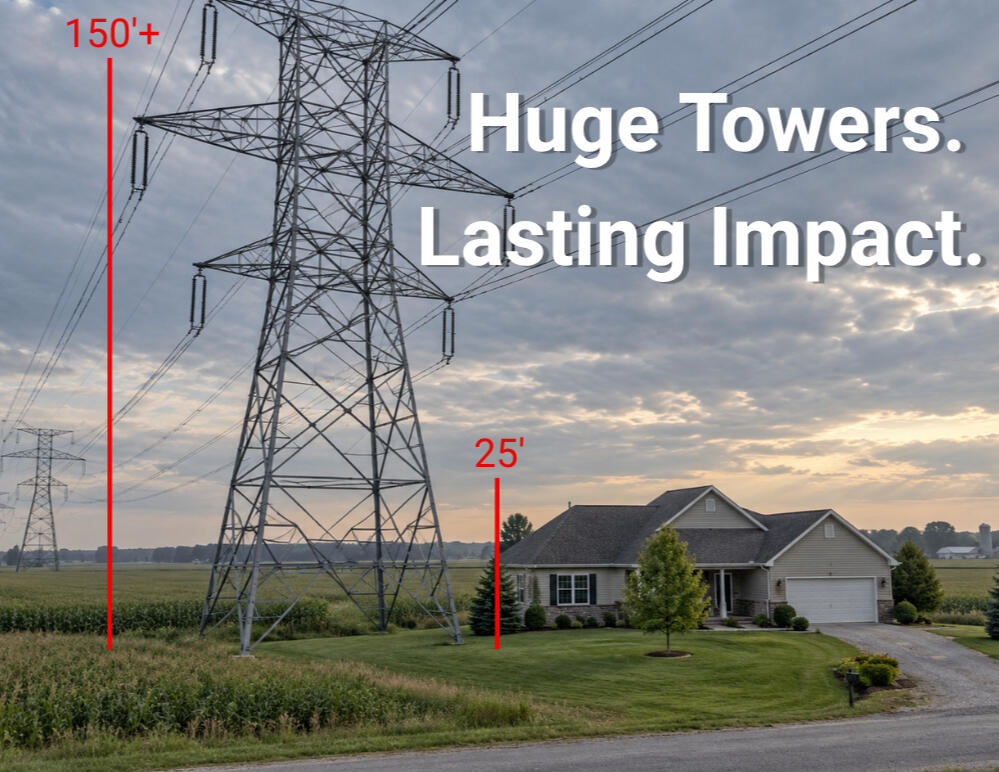
3,489 Homes. An Estimated $351.9 Million in Property Value at Stake.Homes near the line in Allen, Huntington, and Whitley counties may experience approximately $351.9 million in aggregate property-value impact. The largest estimated effect is in Allen County, where the study calculates approximately $340.4 million in lost residential property value.From a property-value perspective, the concern is broader than simply whether a transmission tower is visually unattractive. A major overhead corridor can introduce:
Visual Impact.
Large towers and conductors become a permanent feature of the landscape. Homes that previously overlooked farmland, trees, open space, or residential areas may instead overlook large-scale electrical infrastructure.Safety Concerns.
Concerns of storms, falling lines, fire, electrical hazards, or accidents may scare a buyer from your house.Easements and Land-Use Restrictions.
Transmission corridors may limit where property owners can build, plant trees, construct outbuildings, or otherwise use portions of their land. Those restrictions can reduce the practical utility of a property.Reduced Buyer Demand.
Property value ultimately depends on what buyers are willing to pay. If a significant number of buyers avoid homes located close to large transmission corridors, sellers may have to accept lower prices or wait longer to sell.Loss of Rural or Residential Character.
In areas where buyers specifically value open land, trees, privacy, or rural scenery, introducing major industrial infrastructure can alter one of the qualities that attracted buyers to the area in the first place.

Real-World Safety Risks of Overhead Lines
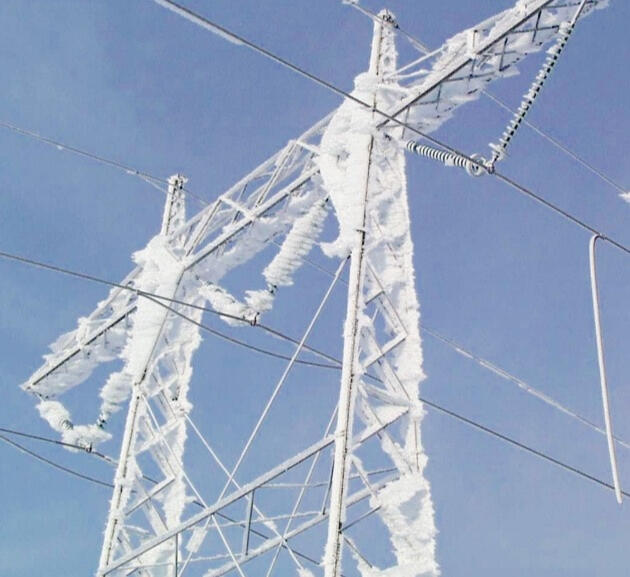
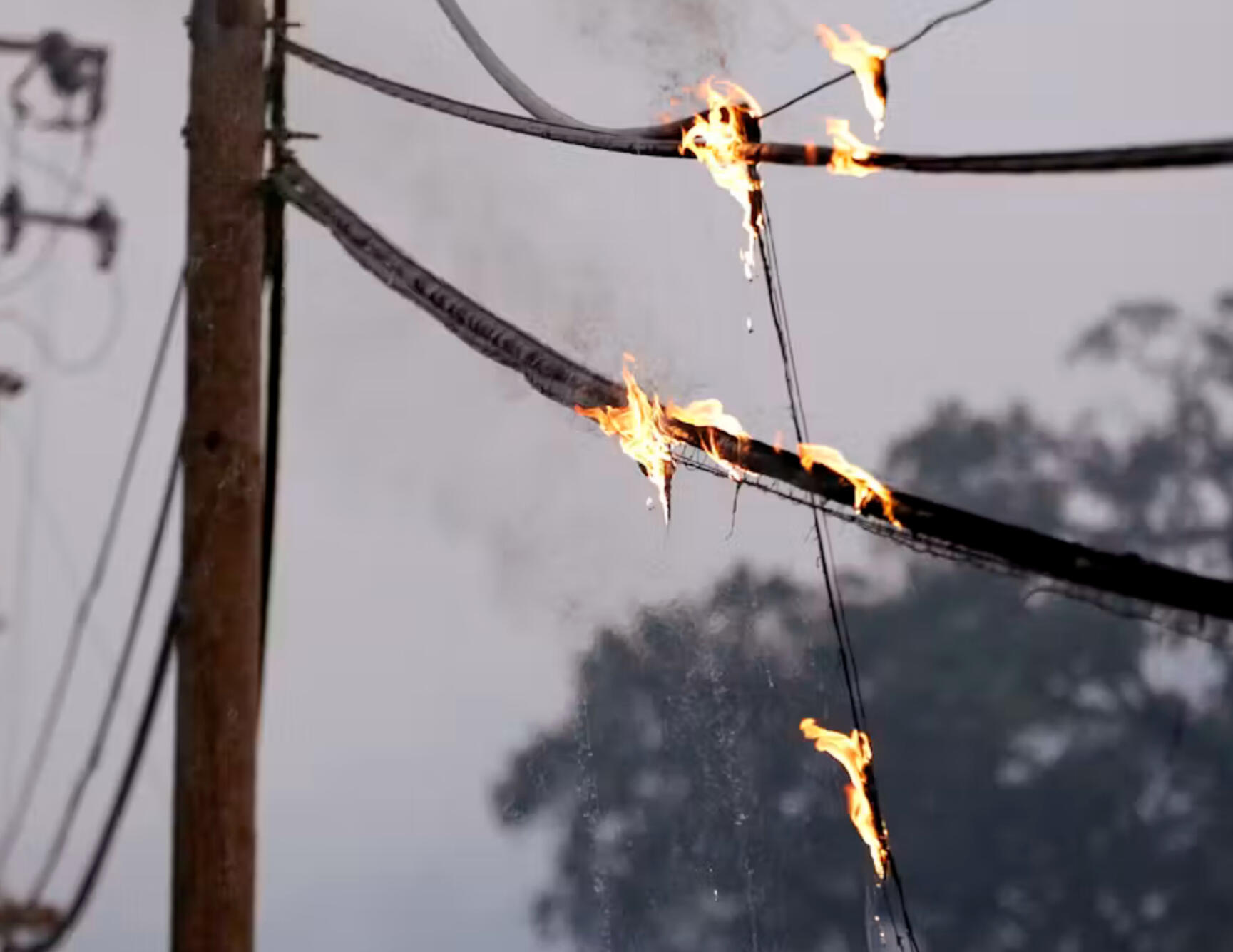
Evansville, Indiana — January 5, 2025An ice storm caused an overhead line to spark and catch fire.Indianapolis, Indiana — July 12, 2024Overhead lines caught fire, causing 491 customers to lose power. The presentation estimates about $50,000 in line-repair costs and $1.25 million in economic losses over six hours.Hebron, Indiana — June 4, 2024A hot-air balloon collided with overhead power lines, burning the two passengers and pilot. The presentation estimates $30,000 in balloon/infrastructure damage and $1.5 million in medical costs.Indianapolis, Indiana — November 15, 2018An ice storm caused multiple lines to fall and start a fire. The presentation estimates $7,000 in electrical repairs and $20,000 in fire and smoke damage.Camp Fire, California — 2018The presentation states that investigators concluded the fire originated from PG&E transmission equipment. It lists 85 fatalities, more than 18,000 structures destroyed, and estimated property damage of $16.5 billion.Zogg Fire, California — 2020The presentation states that a fallen tree contacted an overhead distribution conductor, resulting in 4 fatalities, damage to more than 56,000 acres, and destruction of more than 200 homes.